
Best “Value for Money” Locations in Real Estate Today: Where Should You Invest in 2025?
Best “Value for Money” Locations in Real Estate Today: Where Should You Invest in 2025? One of the most common questions I get from property buyers and new investors is:“Where’s the best place to buy property right now if I want the best value for my money?” And my answer? It really depends on two things: Your investment budget and How long you're willing to wait for returns Whether you’re planning for rental income, land banking, or long term capital appreciation, the “best area” for you will depend on your strategy. Some places offer affordable entry prices with long-term upside, while others are already semi-developed and can generate returns in just a few years. So, let’s break it down by investment timeline and value potential: 📍 If You’re In It for the Long Game (8–10+ Years): Look North – Tarlac, Pampanga If you have the luxury of time and a strategic mindset, Central Luzon particularly Tarlac and Pampanga should be on your radar. Why it’s worth it: 🚧 Infrastructure Boom: Projects like the New Clark City, North-South Commuter Railway, and Subic-Clark Railway are set to transform the region into a major economic corridor. ✈️ Accessibility: The Clark International Airport is expanding, making it a future business and tourism hub. 📈 Still Affordable: Prices are relatively low compared to Metro Manila or Cavite, which means you can get more land for your peso. 🏗️ Future-Proofing: These areas are being primed as the “next big thing” in Philippine real estate, especially with the government’s push to decongest Metro Manila. What to buy: Agricultural lots for land banking Residential lots near main roads or transport hubs Townhouse units in pre-selling stage 💡 Ideal for investors who don’t mind waiting but want major appreciation later on. 📍 If You Want Returns Within 3–5 Years: Consider Batangas or Cavite If your investment horizon is shorter and you’re looking to generate income or sell in the medium term, areas in the South are your best bet. Two places stand out right now: 🔸 Lipa and Nasugbu, Batangas 🌿 Known for cooler climate and tourism appeal 🏞️ Perfect for vacation homes or Airbnb rentals 🛣️ Easy access via STAR Tollway and CALAX (soon) 📊 Development is ongoing, but you still have chances to buy low in emerging areas outside of town proper 🔸 General Trias, Cavite 🏘️ Residential communities are booming 🏭 Near economic zones, perfect for rental investments 🚗 Close to Metro Manila via Cavitex and CALAX 📈 Already seeing price appreciation, but there’s still room for growth in nearby barangays Take note: Prices in these areas have increased in the last 2–3 years. While that means higher entry cost, it also reflects market maturity meaning less risk and quicker returns. So, Which Location Offers the Best “Value for Money”? Let’s summarize it: Location Ideal For Time Horizon Why It’s a Good Buy Tarlac / Pampanga Land banking, long-term growth 8–10 years Major infrastructure, low entry price, future city hubs Lipa / Nasugbu Rentals, short-term returns 3–5 years High tourism appeal, still developing, increasing demand General Trias, Cavite Rentals or resale 2–5 years Accessible, developed, near Metro Manila, rental-ready Final Advice: Match Your Timeline with Your Location There’s no “one size fits all” when it comes to real estate investment. What works best for you depends on your capital, your risk tolerance, and your long-term goals. Want low risk and income soon? Buy in Cavite or Batangas. Want to maximize appreciation? Go long-term in Tarlac or Pampanga. Unsure where to start? Talk to a licensed real estate professional who can assess your goals and recommend the best strategy. 📩 Need help scouting properties that offer the best value for your money? Message me! I can help you compare listings, assess locations, and guide you through financing, due diligence, and investment planning.

How to Start a Real Estate Portfolio: A Beginner's Guide to Earning Through Rentals
How to Start a Real Estate Portfolio: A Beginner's Guide to Earning Through Rentals Are you looking for a way to build wealth and increase your sources of income? Real estate investing, particularly through rental properties, remains one of the most proven and stable strategies. Whether you dream of owning a string of condos, apartments, or even your own townhouse developments, starting a real estate portfolio can be your first big step toward long-term passive income. But where do you start? If you're a first time investor wondering how to get into rental real estate, this guide is for you. Step 1: Set Your Goal – What Kind of Rental Property Do You Want? Before you jump into buying anything, ask yourself: What kind of rental income are you aiming for? Long-term rentals: These include residential units like condos, apartments, and townhouses that are leased for 6 months or more. This is ideal for stable income and low tenant turnover. Short-term rentals (Airbnb): This can earn higher returns but involves more effort, more turnover, and is highly affected by tourism or seasonality. 💡 Tip: If you’re just starting, long term rentals in a high-demand location are a safer and easier option. Step 2: Know Your Budget – How Much Capital Do You Need? Investing in real estate requires capital. Typically, you’ll need around 20–30% downpayment if you're getting a property through bank financing. Here are a few ways to make your capital go further: 🏢 Consider RFO units: Ready for occupancy condos or townhouses can generate income right away but may require upfront cash or lump-sum payments. 🏦 Explore bank-foreclosed properties: These often come at a discount and with flexible terms. It’s a smart way to get started without overextending your budget. 💬 Pro Tip: You can talk to a broker like me who can help you scout foreclosed deals or developer units with investor-friendly terms. Step 3: Start Small – One Rental at a Time You don’t need to own a building right away. In fact, many successful investors started with just one condo or townhouse in a good location. Here’s what to look for: High demand for rentals (e.g., near schools, business districts, or transport hubs) Reasonable acquisition cost Potential for appreciation and cash flow Remember, the goal is passive income + long-term value growth. Step 4: Do the Math – Make Sure the Numbers Make Sense Before you commit, calculate the following: Monthly mortgage payment Association dues / maintenance Property taxes Potential rental income Ask yourself: Will the rent cover all monthly expenses and still give me a profit margin? Use this simple formula: Net Cash Flow = Monthly Rent - (Mortgage + Fees + Maintenance) If your cash flow is positive, that's a green light. Step 5: Manage Smart – DIY or Use a Property Manager? Managing a rental sounds simple until you start dealing with: Late payments Repairs and maintenance Tenant complaints Taxation and recordkeeping You can: Self manage if you have time and live nearby Hire a brokerage like mine to handle everything from tenant screening, maintenance coordination, rent collection, and even tax filing 🤝 We offer full property management solutions, so you can enjoy rental income stress free. Step 6: Grow Slowly and Reinvest Wisely Once your first rental is up and running, don’t stop there. You can: Use rental profits to save for your next unit Explore other locations or types of properties Join real estate investment groups or partnerships Eventually build your own townhouse or apartment rentals for higher ROI 🚀 The key is to scale gradually and avoid over-leveraging. Final Thoughts: Starting a Rental Portfolio is a Long Term Play Starting a real estate portfolio is not just about owning property it’s about building a system that works for you, even when you're not actively working. Whether you're looking to supplement your income, prepare for early retirement, or build generational wealth, rentals can be your first step into financial freedom as long as you're smart, strategic, and surrounded by the right people. Need help finding your first rental investment? Or want to explore passive ownership options while someone else handles the management? 📩 Let’s talk. I’d be happy to guide you through the process, connect you with solid property options, and even help manage your rentals so you can focus on growth.
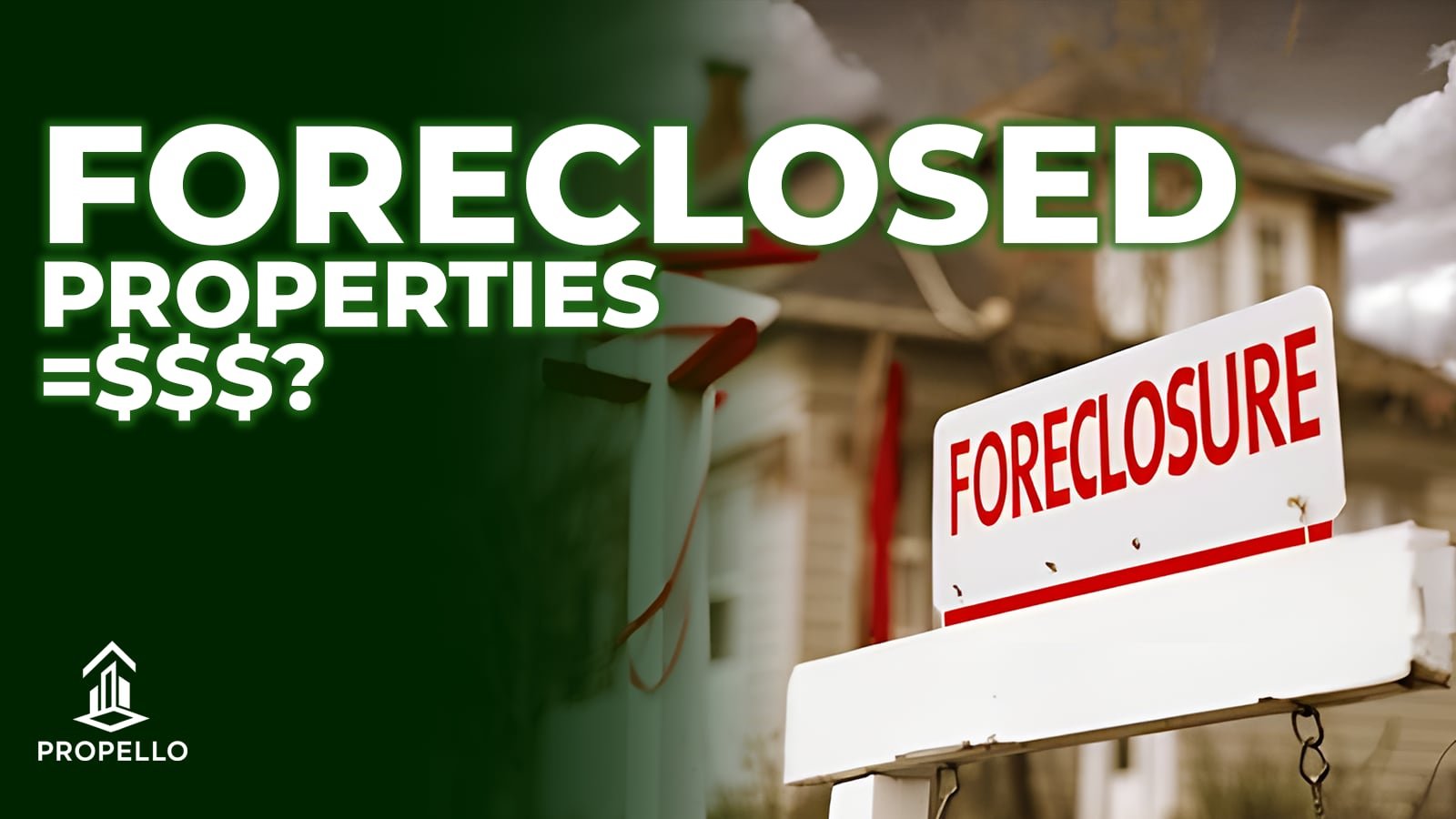
Is Flipping Foreclosed Properties a Good Investment? Here's What You Need to Know
Flipping foreclosed assets especially residential house and lot properties has gained popularity in recent years as one of the more accessible ways to enter the real estate industry. Whether you’re a budding investor or someone looking to diversify your income, the idea of buying low, renovating, and selling high is very appealing. But is it really as simple as it sounds? Honestly, this is something I’ve been planning to do myself! I see so much potential in this strategy, but like many entrepreneurs, I need to prioritize other business ventures first (in my case, my retail business), so budget wise, hindi ko pa talaga ma-push. But if you're thinking about flipping foreclosed properties, I can say this: it’s definitely worth exploring if you’re willing to do it the right way. What Does It Mean to Flip a Foreclosed Property? Flipping means buying a property at a low price usually one that’s distressed, abandoned, or in foreclosure renovating it, and reselling it for profit. The goal is to find undervalued properties, add value through improvements, and take advantage of market demand. Foreclosed properties are often sold below market value, making them an ideal starting point. These are properties repossessed by banks or financial institutions due to non-payment of loans, and they’re usually sold through public auctions, banks, or government agencies like Pag-IBIG, PDIC or BSP. Why Flipping Foreclosed Properties Can Be a Good Investment ✅ Lower Acquisition Cost: Since these are distressed assets, foreclosed properties are often priced significantly lower than similar properties in the market. ✅ High Profit Potential: If renovated properly and marketed strategically, the resale value can be significantly higher. ✅ Training Ground for Real Estate Development: This is perfect for those who want hands-on experience before diving into bigger projects like housing developments or build-and-sell ventures. ✅ Flexibility: You can scale this kind of business based on your capital start small and grow your portfolio over time. But It’s Not All Roses: What You Need to Know Before You Start A common misconception is that flipping is a quick and easy way to make money. The truth? It takes a lot of work, knowledge, and the right team. Here's a breakdown of what you need to prepare for: 1. Do Your Due Diligence Before bidding or buying, thoroughly check: The legal status of the property. Are there any unpaid taxes, liens, or pending litigation? Property condition. Some foreclosed homes are not maintained and may have structural issues. Title issues. Make sure the title is clean and transferable. Occupied units. Some properties are still occupied by previous owners or tenants you'll need legal assistance in these cases. 2. Budget Beyond the Purchase Price Renovation costs can add up quickly. Apart from the purchase cost, you’ll need to set aside money for: Repairs (structural, plumbing, electrical) Cosmetic renovations (painting, flooring, cabinetry) Professional fees (architect, engineer, contractor) Taxes and legal fees Marketing and broker commissions Tip: Always include a contingency fund for unforeseen expenses. Baka maubos ang budget mo just fixing hidden issues like water damage or faulty foundations. 3. Understand the Local Real Estate Market You need to know: The resale value of similar properties in the area What type of buyers are looking in that location (families, investors, OFWs, retirees) The demand and absorption rate Accessibility, infrastructure, and community features Flipping will only work if you can sell the renovated property at a price the market can afford. 4. Renovate With Strategy Don’t over-improve! Not all upgrades bring a return on investment. Focus on: Kitchens and bathrooms – always worth updating Curb appeal – a fresh coat of paint and landscaping go a long way Energy efficiency – add value with insulation or LED lighting And remember, it’s not just about making it look good outside what’s underneath matters more. Always prioritize structural integrity and functionality. 5. Build Your Dream Team Don’t go solo unless you’re a licensed contractor and real estate broker rolled into one. You'll need: Licensed brokers – for sourcing or selling properties Engineers and contractors – for inspections and construction Attorneys or title experts – for due diligence and paperwork Appraisers – to help you price the resale fairly Or better yet, partner with professionals like me! If you’re more comfortable acting as the financier, I can handle the marketing and resale once the renovation is complete. Win-win, di ba? Final Thoughts So, is flipping foreclosed properties a good investment? Yes, but only if done properly. It’s a smart strategy to build capital and experience in real estate development but it’s not for the faint of heart. Think of it as your on-the-ground MBA in real estate: you’ll learn about construction, legal processes, negotiation, sales, and project management all while making profit if you play it smart. If you’re interested in flipping but don’t know where to start, I’d be happy to guide you whether that’s finding the right property, assessing its potential, or helping you sell it post-renovation. Let’s talk and explore how we can collaborate on your first (or next!) flip.